
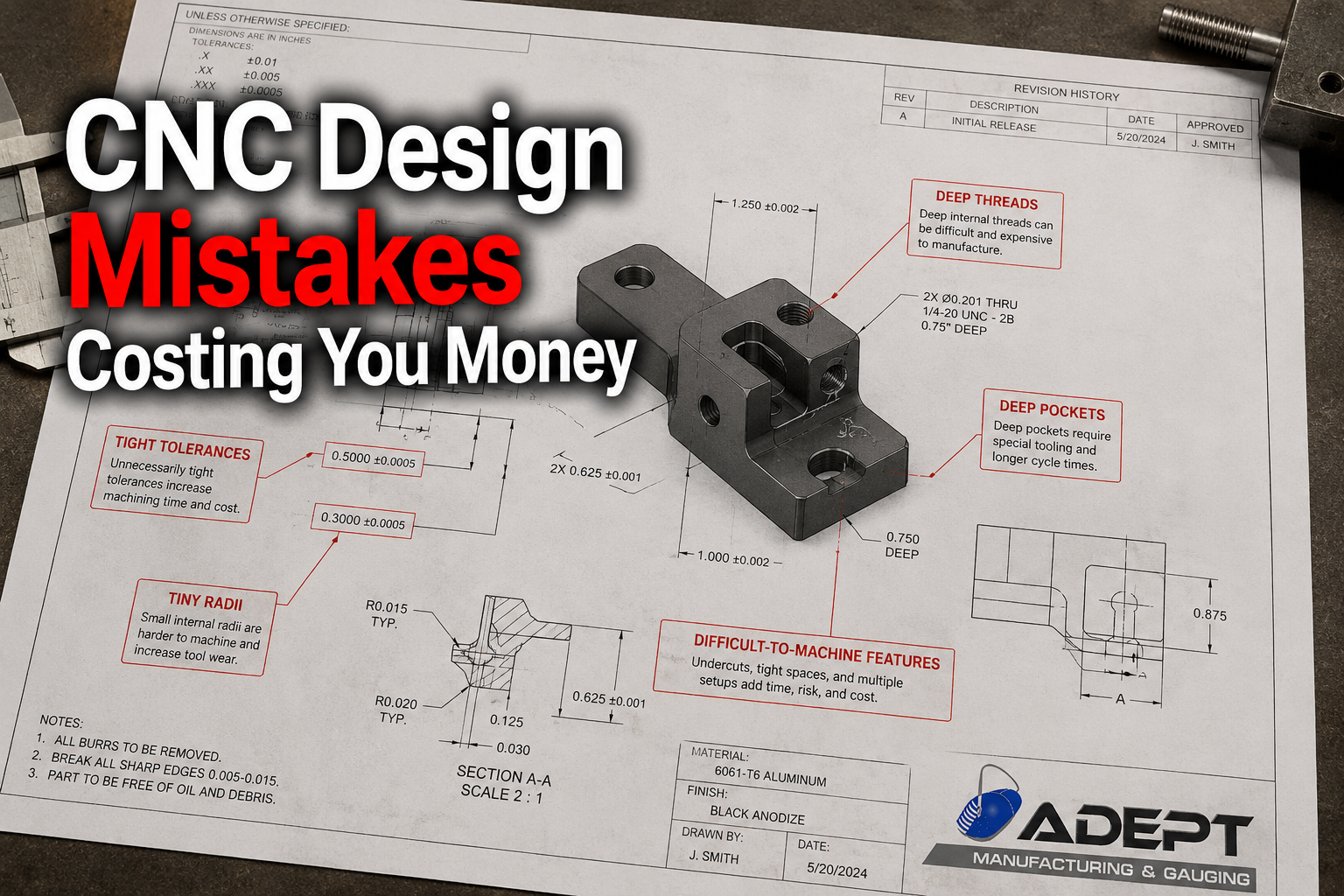
When engineers design a new component, performance is naturally the top priority. But many parts arrive for quoting with design features that add significant manufacturing cost without improving functionality.
At Adept Manufacturing, we regularly review RFQs for small, complex, precision-machined components. In many cases, a few simple design changes can reduce machining time, improve manufacturability, shorten lead times, and lower part costs.
Here are seven common design mistakes that increase CNC machining costs and what to do instead.
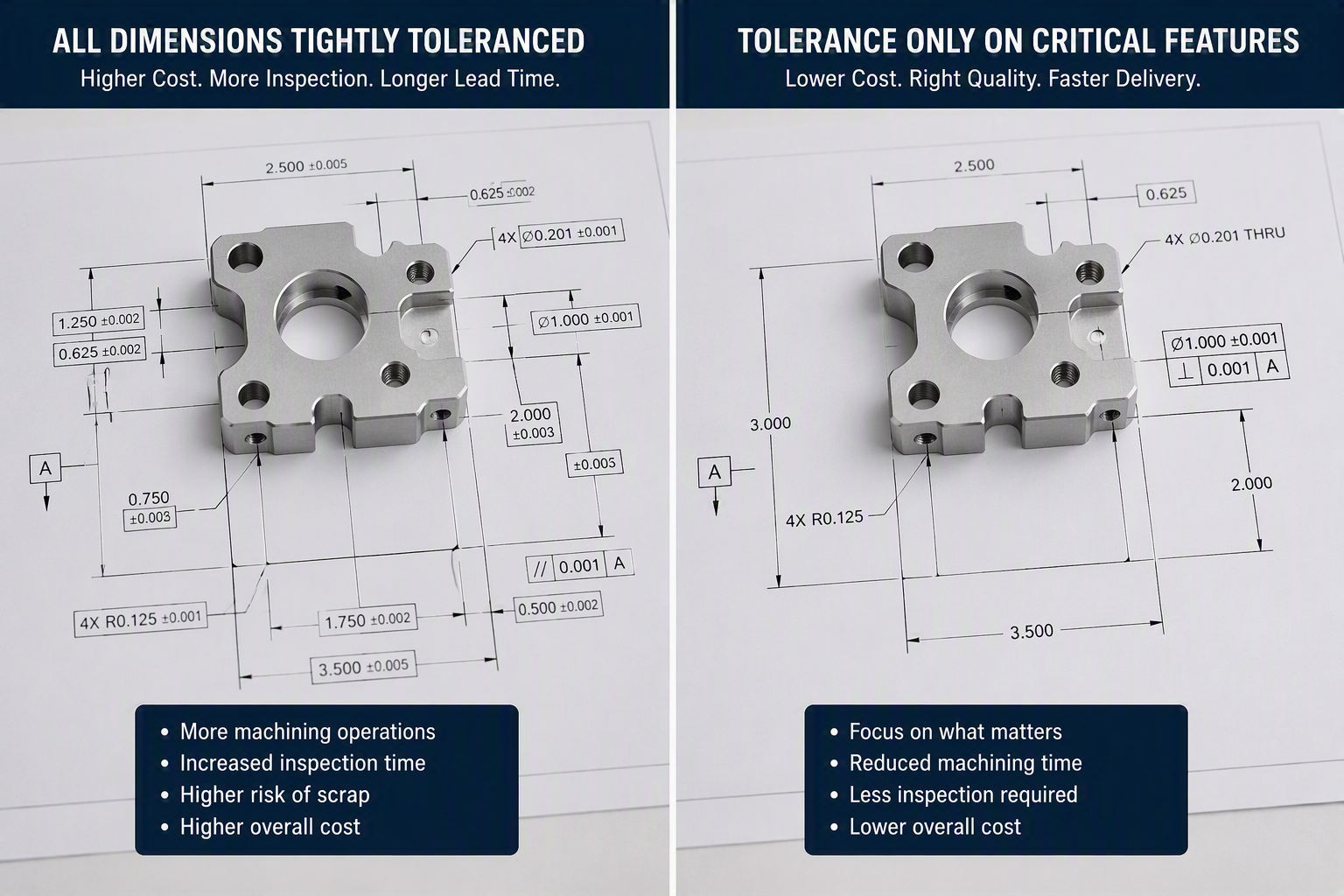
One of the most common and expensive mistakes is assigning unnecessarily tight tolerances to every dimension on a drawing.
Tighter tolerances often require:
The reality is that not every feature needs the same level of precision. Critical mating surfaces, bearing fits, and sealing features typically require tighter control. Other dimensions may perform perfectly well with standard machining tolerances.
Identify the features that directly affect fit, function, or performance and apply tight tolerances only where they are truly required.
This approach often reduces costs while maintaining product performance.
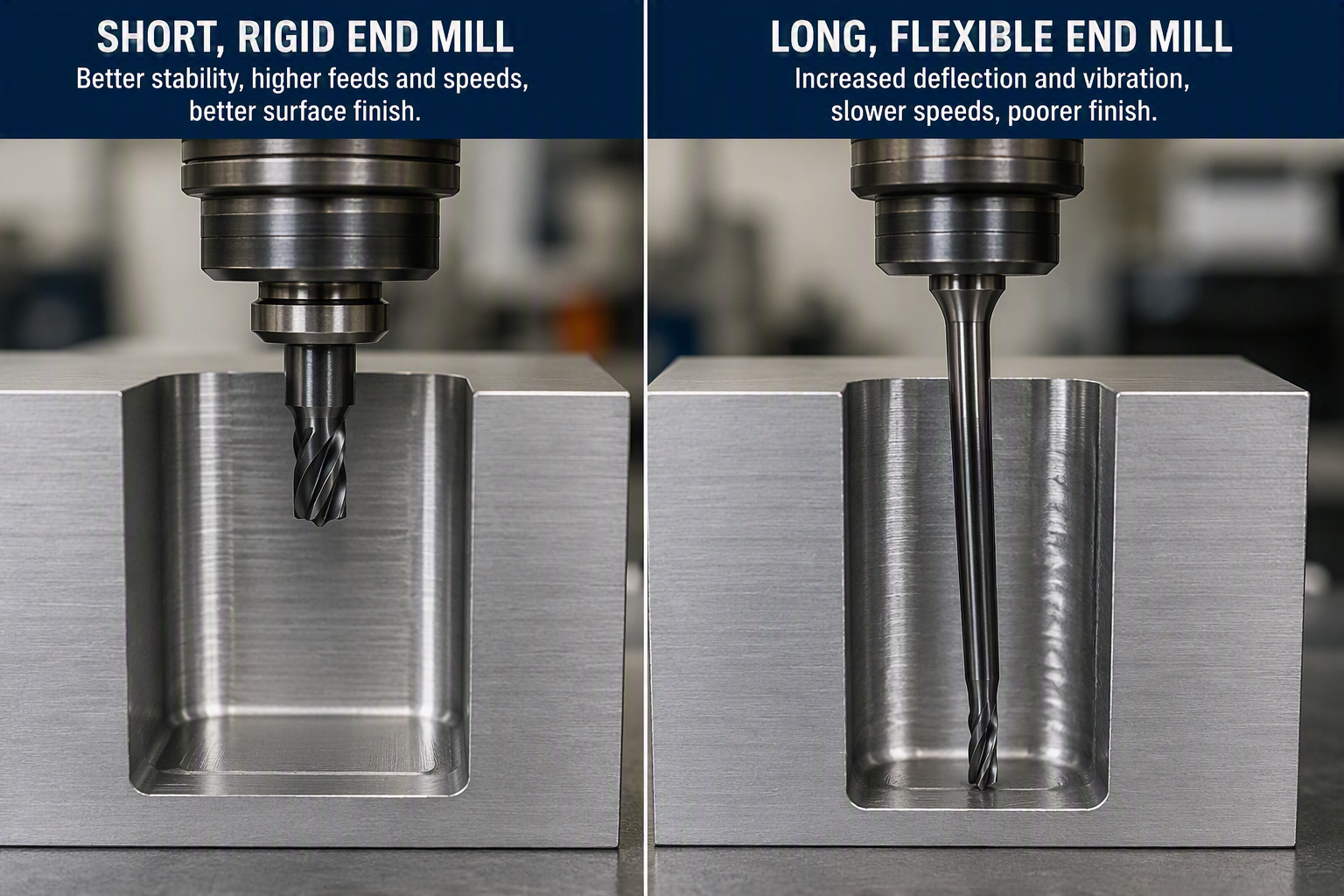
Deep pockets require longer cutting tools, which are more prone to vibration and deflection.
As pocket depth increases, machinists must:
The result is higher production costs and potentially lower surface quality.
Maintain reasonable depth-to-width ratios whenever possible. If a deep feature is necessary, consider alternative geometries that improve tool accessibility.
Many CAD models include sharp inside corners or very small internal radii.
The problem is simple: cutting tools are round.
Small radii require:
Use the largest internal radius the design will allow. Larger radii enable larger tools, improve material removal rates, and reduce cycle time.
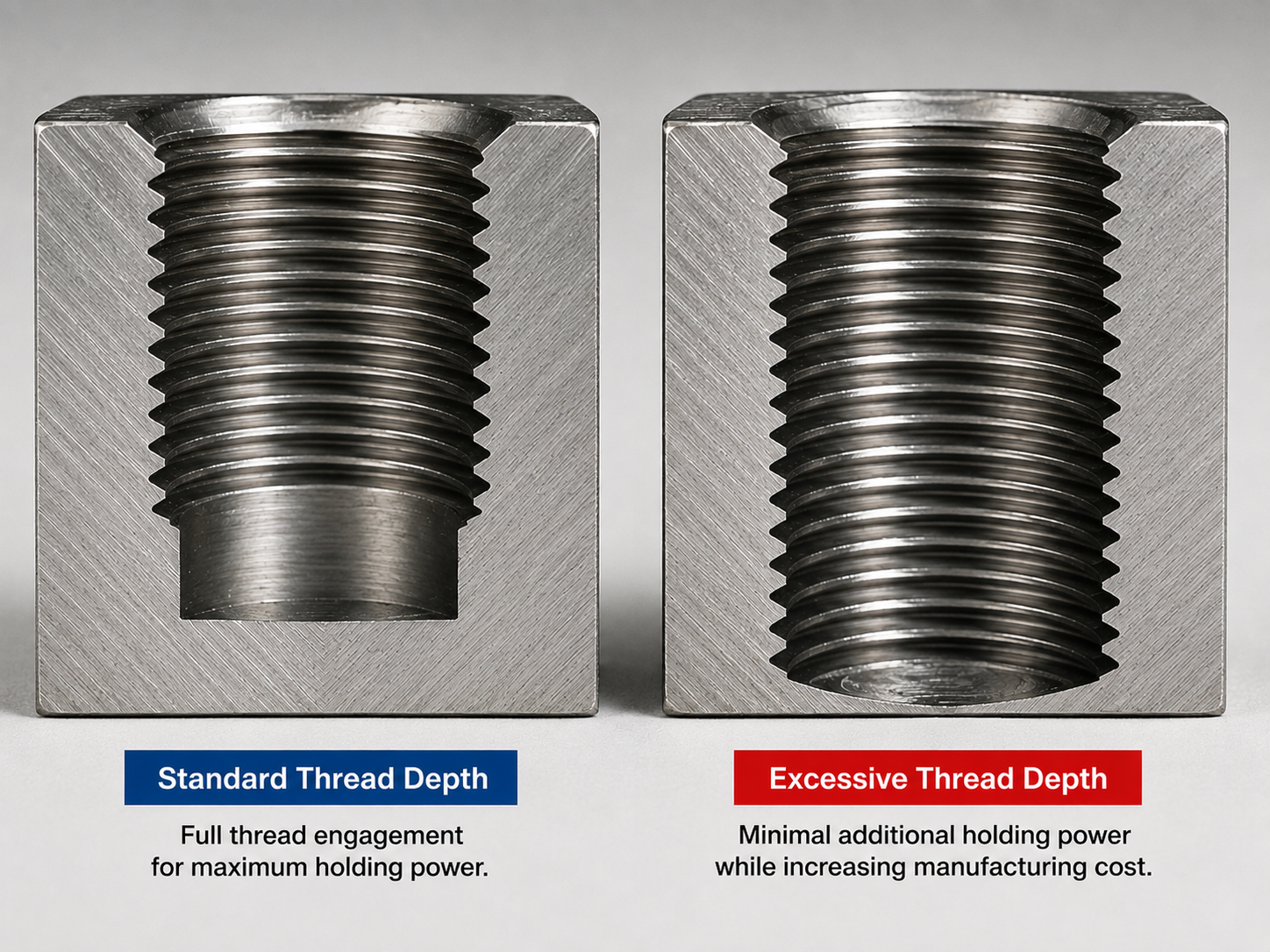
Deep threaded holes often provide little additional strength but significantly increase machining time.
For most applications, thread engagement beyond a certain depth adds minimal benefit.
Excessively deep threads can:
Follow standard thread engagement guidelines based on material and load requirements. Work with your machining partner if you're unsure how much thread depth is actually needed.
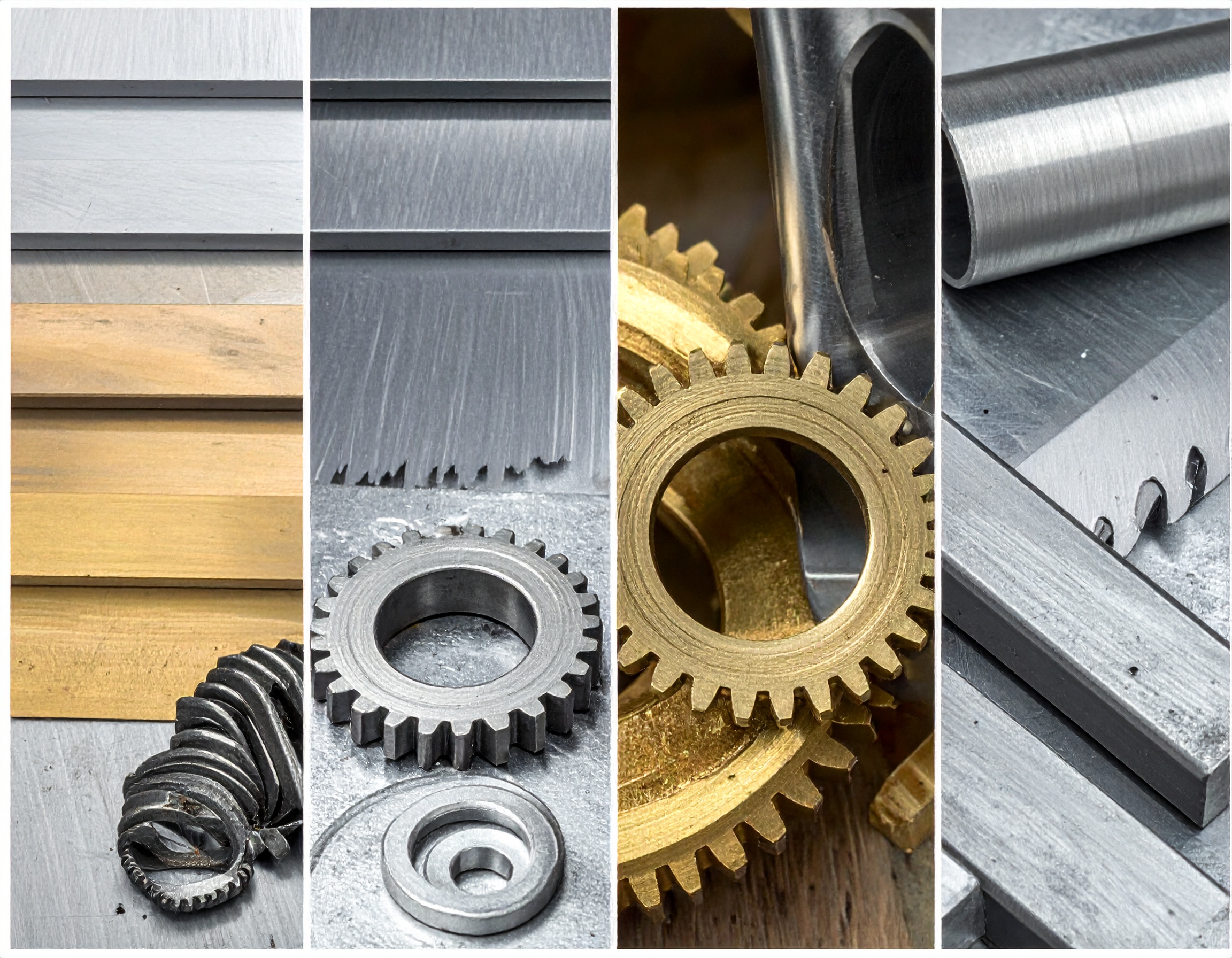
Some materials are significantly more challenging to machine than others.
For example, certain stainless steels, high-temperature alloys, and hardened materials require:
If the application doesn't require those material properties, costs increase unnecessarily.
Select materials based on actual performance requirements rather than habit or legacy specifications.
Features hidden behind walls, deep inside cavities, or positioned at difficult angles often require additional setups.
Multiple setups increase:
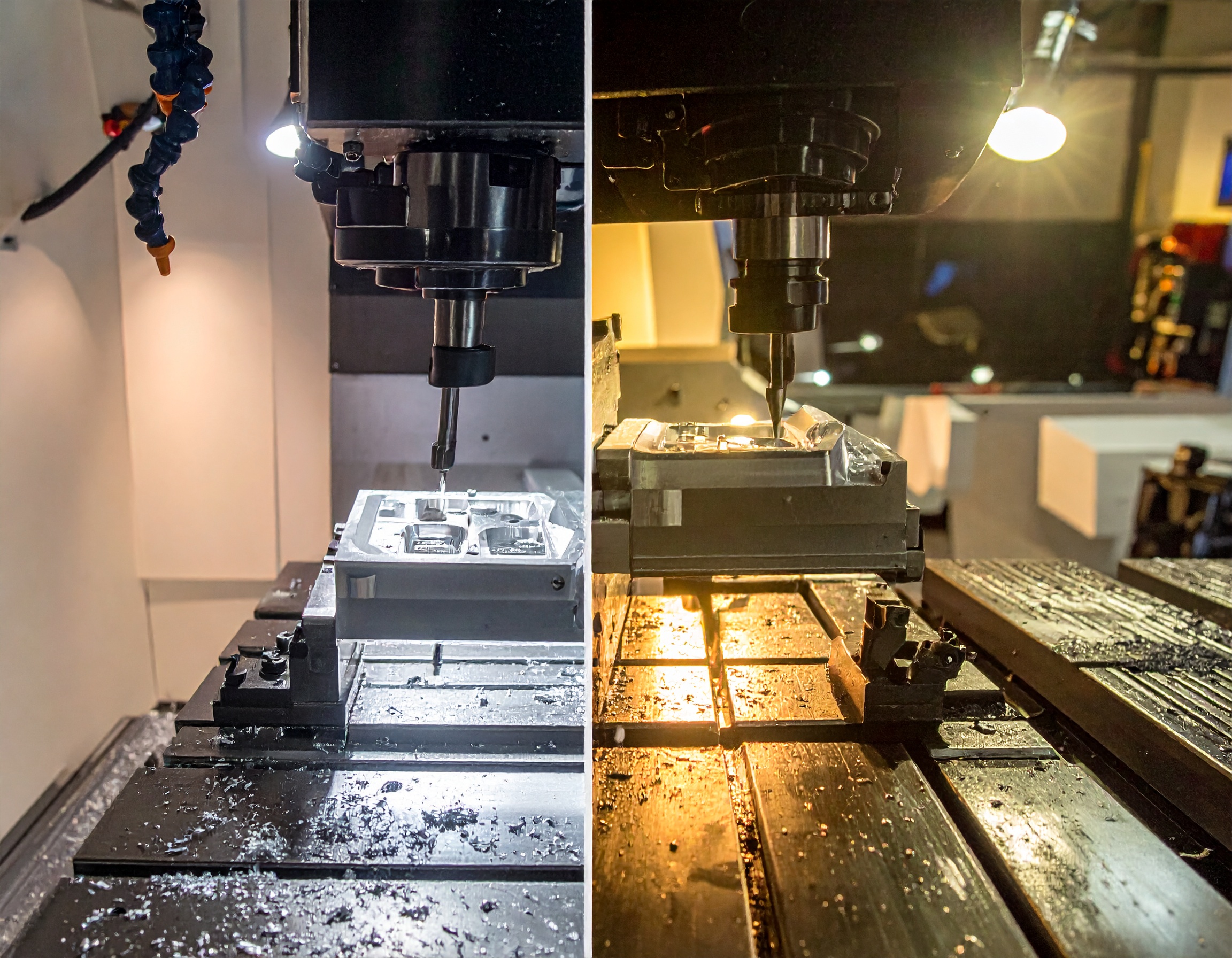
Design parts with accessible machining surfaces whenever possible. Consider how the tool will physically reach every feature.
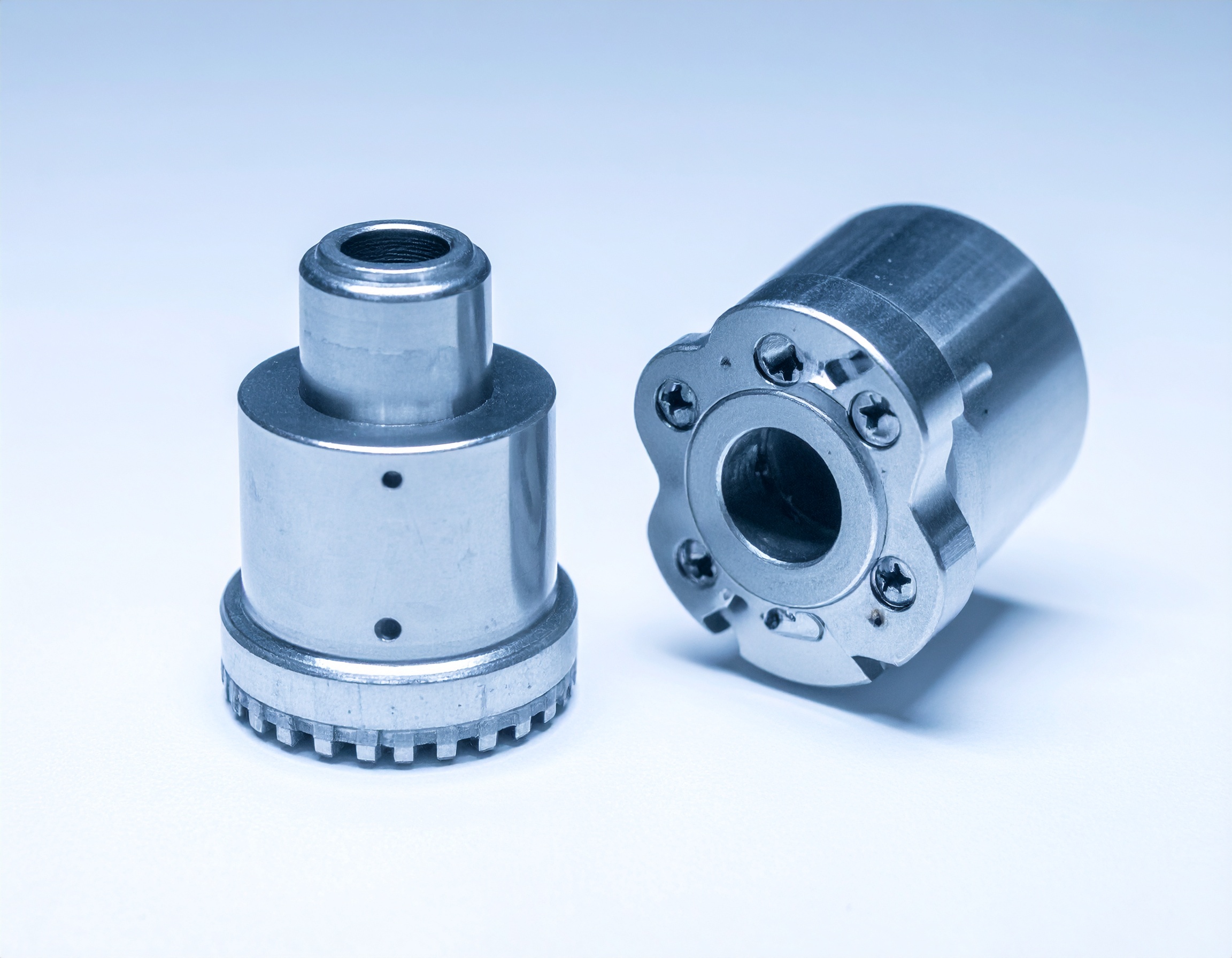
Additional grooves, cosmetic features, complex contours, and unnecessary geometries all require machining time.
While each feature may seem minor, together they can significantly increase cost and lead time.
This is especially true for small parts where feature density is already high.
Challenge every feature during the design process:
If the answer is no, consider removing it.
The most cost-effective CNC part isn't necessarily the simplest. It's the part that balances performance, quality, manufacturability, and cost.
By eliminating common design inefficiencies early in the development process, engineers can reduce machining costs, improve lead times, and accelerate production without sacrificing performance.
At Adept Manufacturing, we routinely provide design-for-manufacturability feedback during the quoting process. Our team specializes in machining small, complex, critical components and helping customers identify opportunities for cost savings before production begins.
If you're developing a new component or looking to reduce the cost of an existing part, we'd be happy to review your drawing or CAD model.
Request a Quote today and receive expert manufacturability feedback from the Adept team. Send your design to us at sales@adept-mfg.com.