
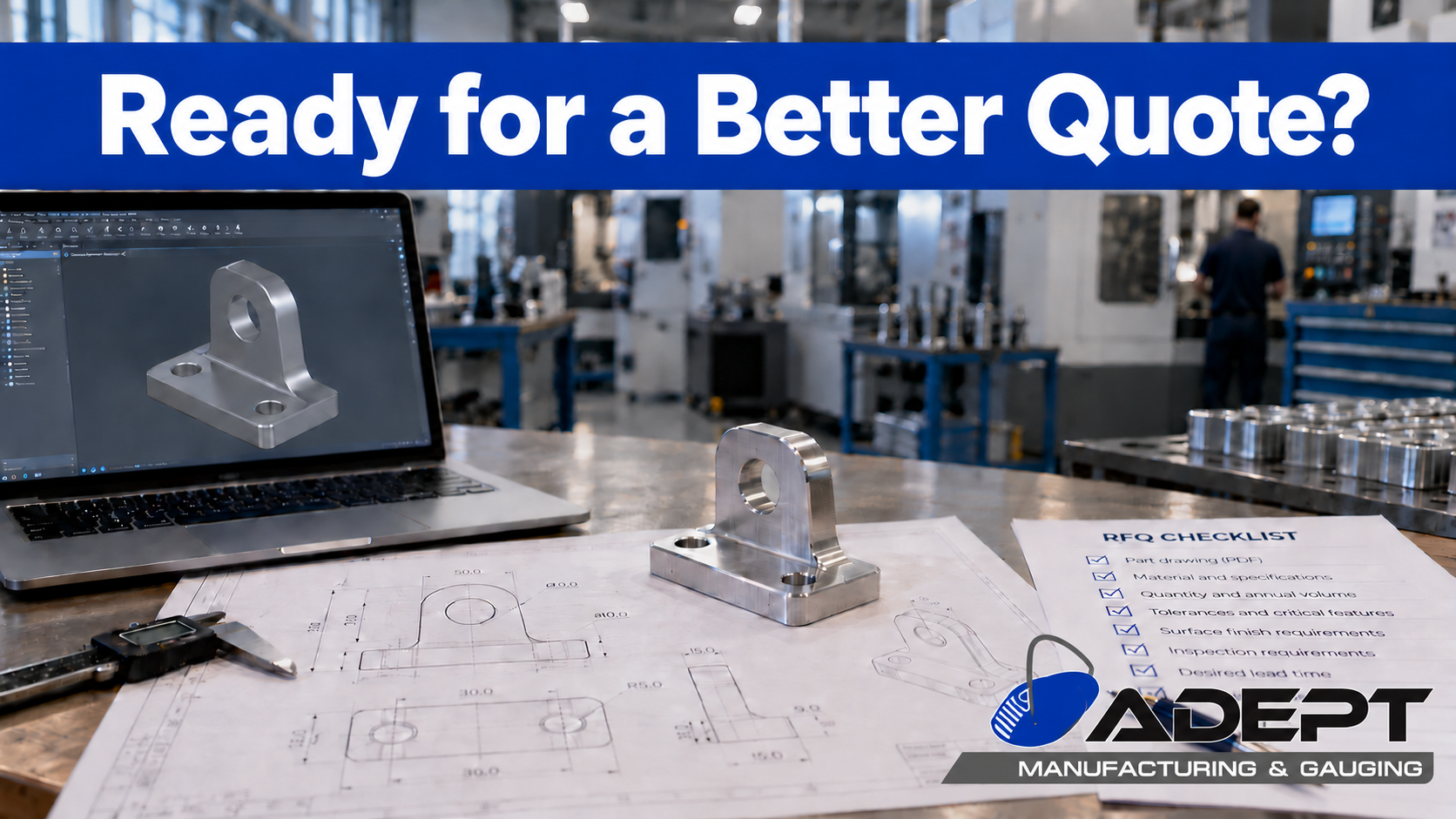
A good CNC machining quote starts with a clear request. When your machine shop knows what you need, how many parts you need, and when you need them, it can spend more time evaluating the job and less time chasing missing information.
That does not mean your RFQ has to be complicated. A few key details can help a shop prepare a more accurate quote and flag questions before they become production delays.
Here is what to include when requesting a quote for CNC-machined parts.
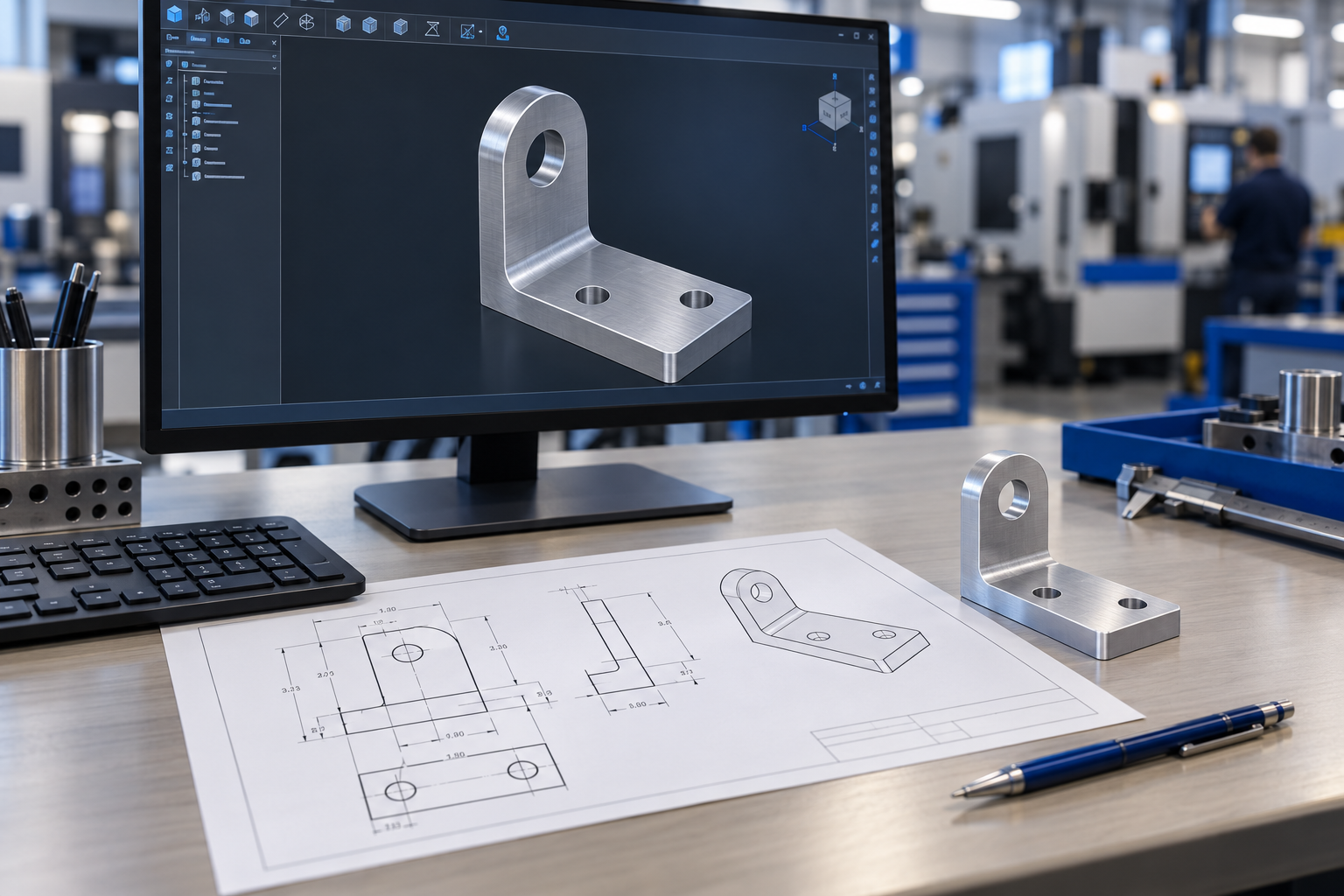
Send your latest dimensioned drawing and, when available, a matching 3D CAD file. Clearly identify the revision so everyone is working from the same design.
The drawing should communicate dimensions, tolerances, threads, surface finishes, and other requirements that affect how the part is made and inspected. A CAD model helps explain the geometry, but it may not contain every requirement shown on the drawing.
If your drawing and model do not match, point that out before quoting begins. Resolving the difference early helps prevent assumptions about which version to use.
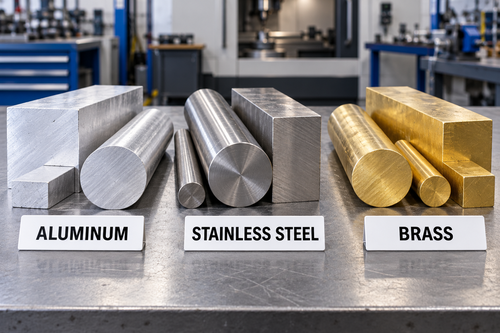
Specify the material grade rather than simply listing “aluminum” or “stainless steel.” Include any required material condition, certifications, or restrictions.
If the material has not been selected, say so. Explain the application and any requirements you already know. The shop can discuss machining considerations, while your engineering team determines what is suitable for the part.
Also mention whether you will supply the material or expect the shop to purchase it.
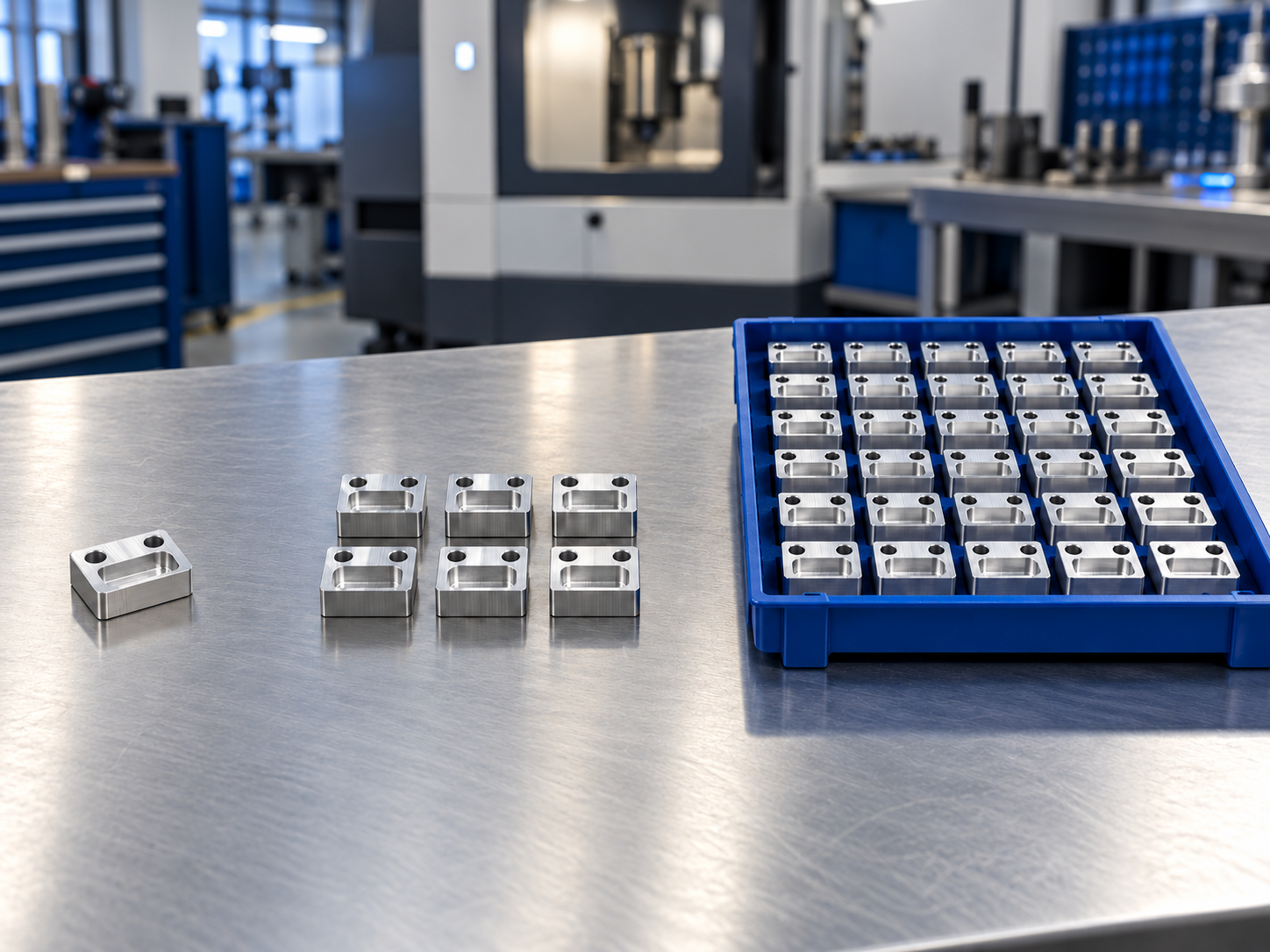
Include the quantity you need now and any expected repeat orders. If you want pricing at several quantities, list those quantities separately.
For example, you might request quotes for 100, 500, and 1,000 pieces. If you expect to order 500 pieces every quarter, include that information too.
Programming, setup, and tooling contribute to the cost of a job. Knowing the quantities helps the shop evaluate how those costs will be spread across the order and plan for repeat production.
An estimate of future demand is useful. Just distinguish a forecast from a committed order.
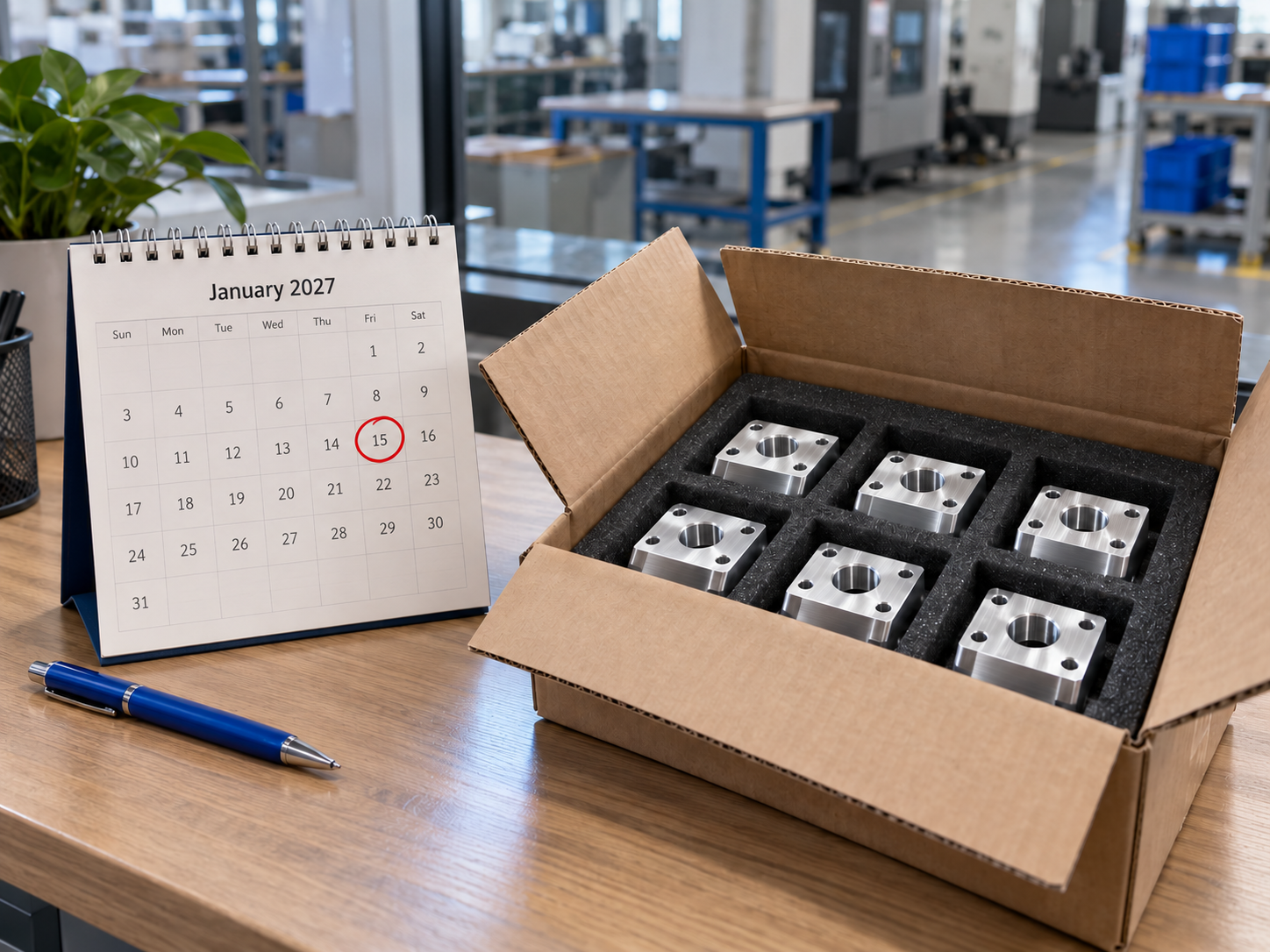
Tell the shop when the parts need to arrive at your facility. “As soon as possible” is less useful than a specific date.
If the schedule is flexible, explain how much flexibility you have. If a smaller first shipment would keep your production moving, mention that option.
Material availability, machining, outside finishing, and inspection can all affect lead time. A clear delivery requirement lets the shop evaluate the complete schedule before making a commitment.
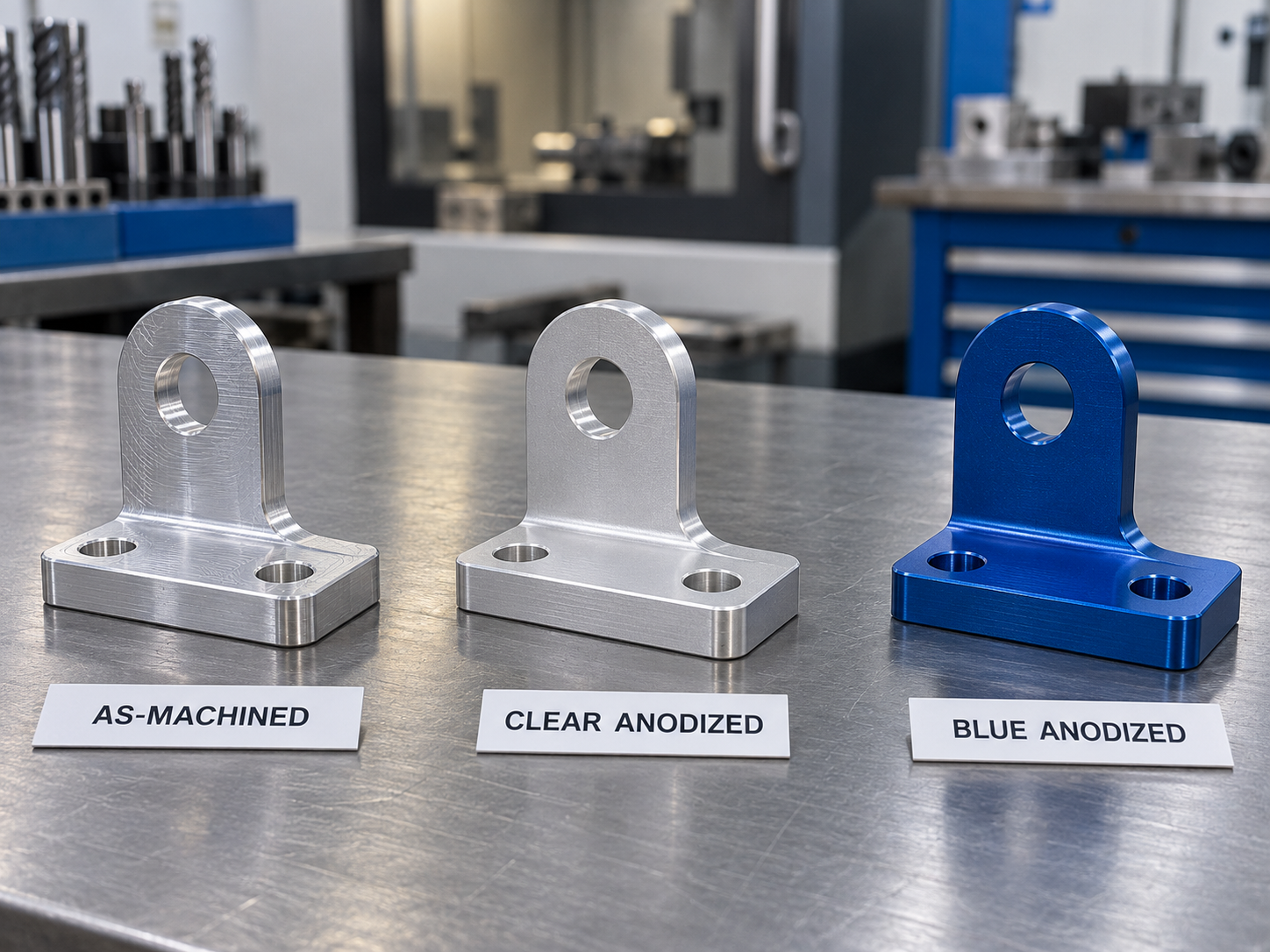
Include any required anodizing, plating, heat treatment, passivation, or other operations after machining. Provide the applicable specifications and any masking or cosmetic requirements.
These steps can affect both price and delivery. They may also affect final dimensions, so the shop needs to understand the finished-part requirements when reviewing the job.
If you plan to handle finishing yourself, make that clear so the quote covers the correct scope.
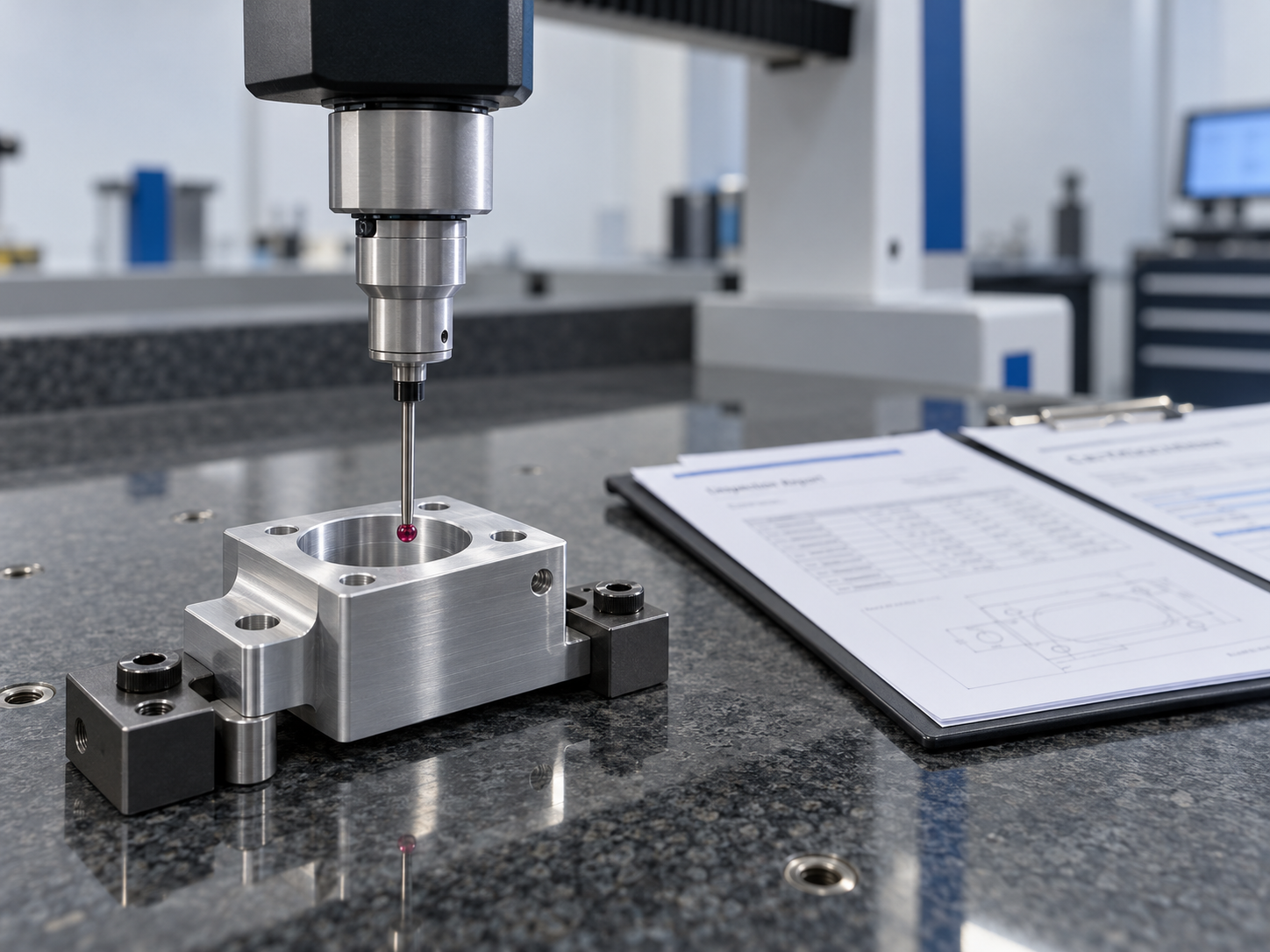
Let the shop know what documentation must accompany the parts. Depending on your project, that may include:
Identify critical features and any special inspection or approval requirements. Sharing these details at the RFQ stage helps the shop account for the work before quoting.
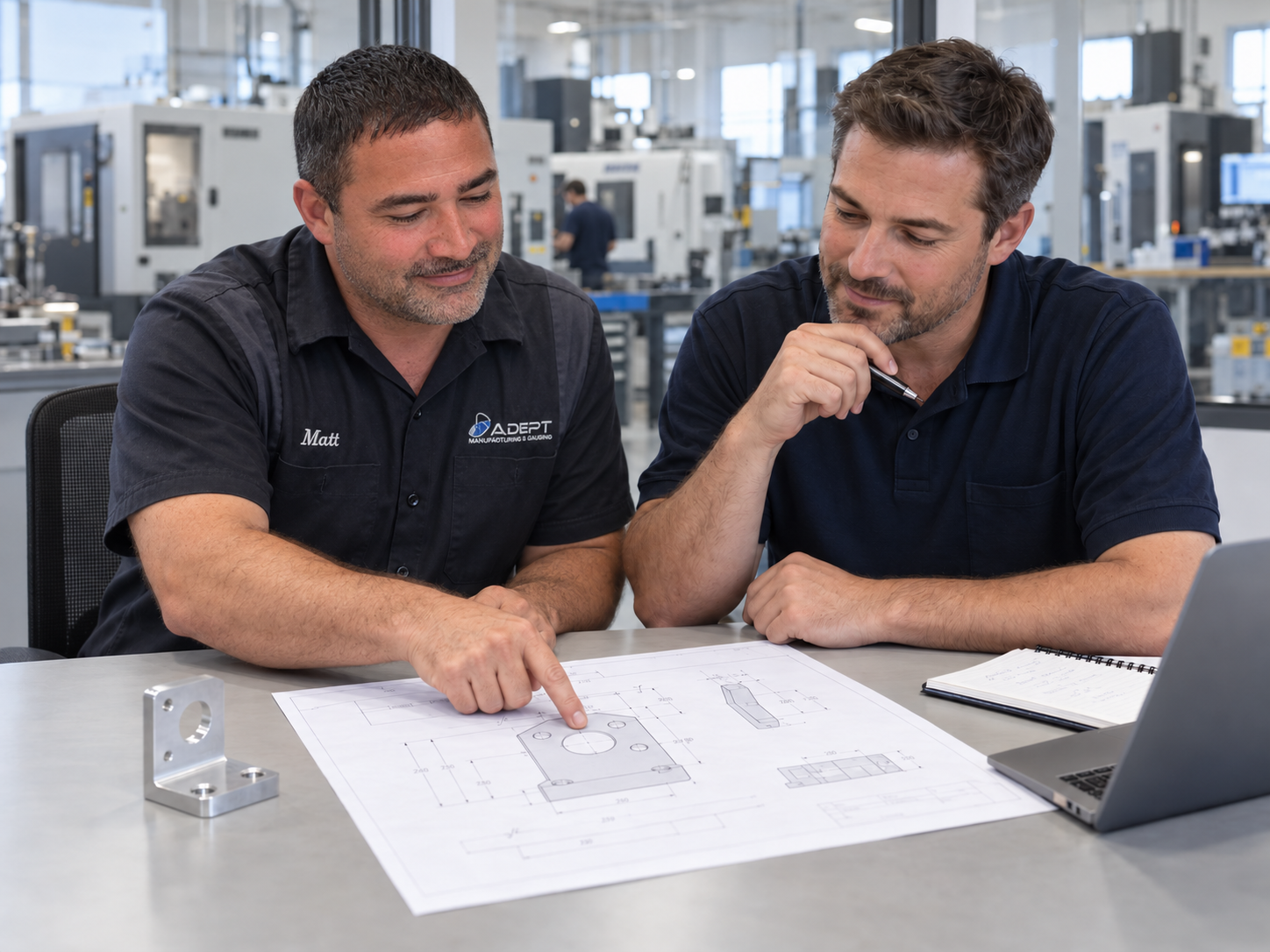
You do not need to have every answer before contacting a machine shop. Send what you have, explain what is still being decided, and identify the questions you need help resolving.
The important thing is to make uncertainty visible. A clearly stated question is easier to address than an unstated assumption.
At Adept Manufacturing & Gauging, we specialize in small, complex CNC-machined parts under 12 inches. We review your requirements with quality, cost, and delivery in mind.
Send us your current drawing, required quantities, and target delivery date. Include your CAD file and any material, finishing, or inspection requirements you already know.